Severe weather in southeastern Wisconsin on Tuesday, August 18, 2026, appears to be driving a surge in searches for “weather tornado warning.” Local coverage reported tornado warnings, severe thunderstorm warnings, power outages and storm damage across parts of the Milwaukee area. By the end of the evening, the watches and warnings covered in live coverage had been canceled or had expired.
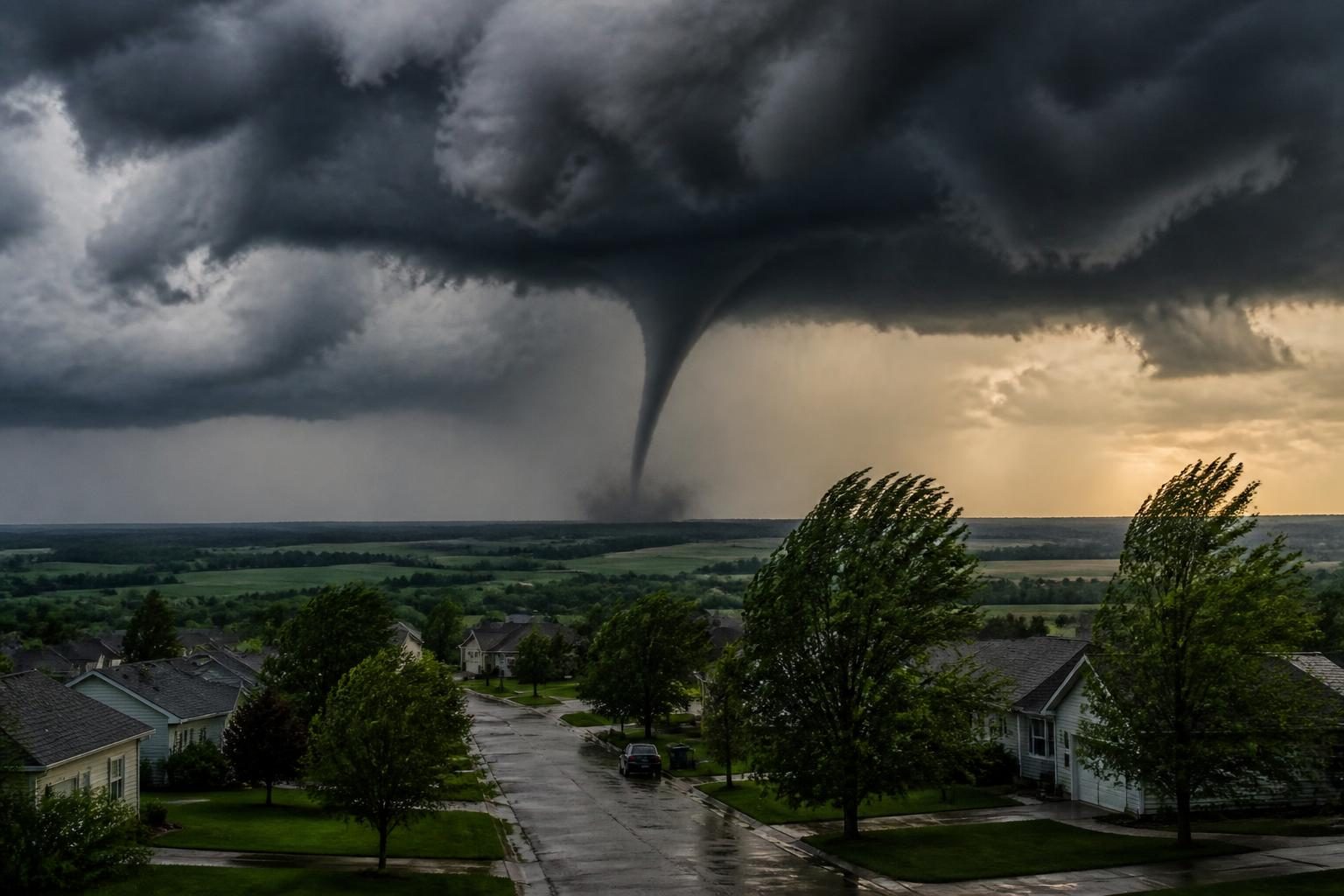
The National Weather Service later confirmed three tornadoes from the event in its Milwaukee/Sullivan forecast area: an EF-1 tornado near Lake Geneva, a second EF-1 tornado near Big Bend and an EF-0 tornado in southwest Waukesha. The agency described the findings as preliminary. No injuries had been reported to the weather service when the survey information was posted.
The search trend reflects both the immediacy of the warnings and the public’s need to understand whether the danger remains. A tornado warning is a real-time safety alert, not a general forecast. It means a tornado has been spotted or indicated by radar, and people in the warned area should take shelter immediately.
What happened in Wisconsin on August 18
Severe storms moved through southeastern Wisconsin Tuesday evening. FOX6 Milwaukee’s live coverage listed tornado warnings, severe thunderstorm warnings and storm-related outages among the major developments. The coverage ended at 9:31 p.m. CDT, with all watches and warnings canceled or expired by the end of the event.
The National Weather Service’s storm survey provided the clearest official accounting of tornado activity after the storms. It confirmed:
- Lake Geneva: An EF-1 tornado with estimated peak winds of up to 110 mph. The preliminary path was about 5 miles long and up to one-quarter mile wide.
- Big Bend: An EF-1 tornado with estimated peak winds of up to 100 mph. The preliminary path was about 1 mile long.
- Southwest Waukesha: An EF-0 tornado with estimated peak winds of up to 80 mph. The preliminary path was less than 1 mile long.
The Enhanced Fujita, or EF, scale classifies tornadoes by estimated wind speeds based on the damage they cause. EF-0 is the lowest category, while EF-1 indicates stronger winds and more significant potential damage. The rating does not measure the tornado’s size, duration or total damage by itself.
The weather service said the Lake Geneva tornado began near downtown Lake Geneva and ended in the Lyons area. Survey crews identified additional damage paths near Big Bend and southwest Waukesha. These details may be refined as officials review more evidence.
Why “tornado warning” is trending
Search interest commonly rises during fast-moving weather emergencies because people are trying to answer immediate questions: Is the warning still active? Which communities are included? Has a tornado been confirmed? Is it safe to leave shelter? Are roads, power and public events affected?
Tuesday’s event generated several reasons for heightened attention. Tornado warnings affected populated areas in southeastern Wisconsin, including communities in and around the Milwaukee metropolitan region. Local television coverage also reported storm damage and a significant number of outages in Milwaukee County during the event.
The difference between a warning and a watch is especially important:
- Tornado watch: Conditions are favorable for tornadoes and severe thunderstorms. People should stay alert, monitor reliable updates and be prepared to shelter.
- Tornado warning: A tornado has been observed or indicated by radar. People in the warned area should move to shelter immediately.
A warning may cover only part of a county or several counties along a storm’s projected path. That means residents should rely on the exact alert location, time and expiration—not simply the name of a county or the fact that a warning appeared earlier.
What residents should do during a tornado warning
If a tornado warning is issued for your location, go indoors immediately. The safest place is a small, windowless interior room on the lowest level of a sturdy building, away from exterior walls and the roof. A basement is preferred when one is available and accessible.
People in homes without basements should use an interior bathroom, hallway, closet or other protected space. Close doors, cover your head and neck, and use a mattress, blanket or other sturdy material for additional protection if available.
Mobile homes, vehicles and outdoor areas do not provide reliable shelter. If you are in a mobile home, plan ahead for a nearby sturdy building. If you are driving and a warning is issued, avoid stopping under bridges or overpasses. The safest option is generally to reach a substantial building; official emergency guidance may vary with the specific situation and available shelter.
Do not wait to see a funnel cloud. Tornadoes may be obscured by rain, darkness or debris, and radar-indicated tornadoes may already be affecting an area before a visible funnel is reported.
How to tell whether a warning is still active
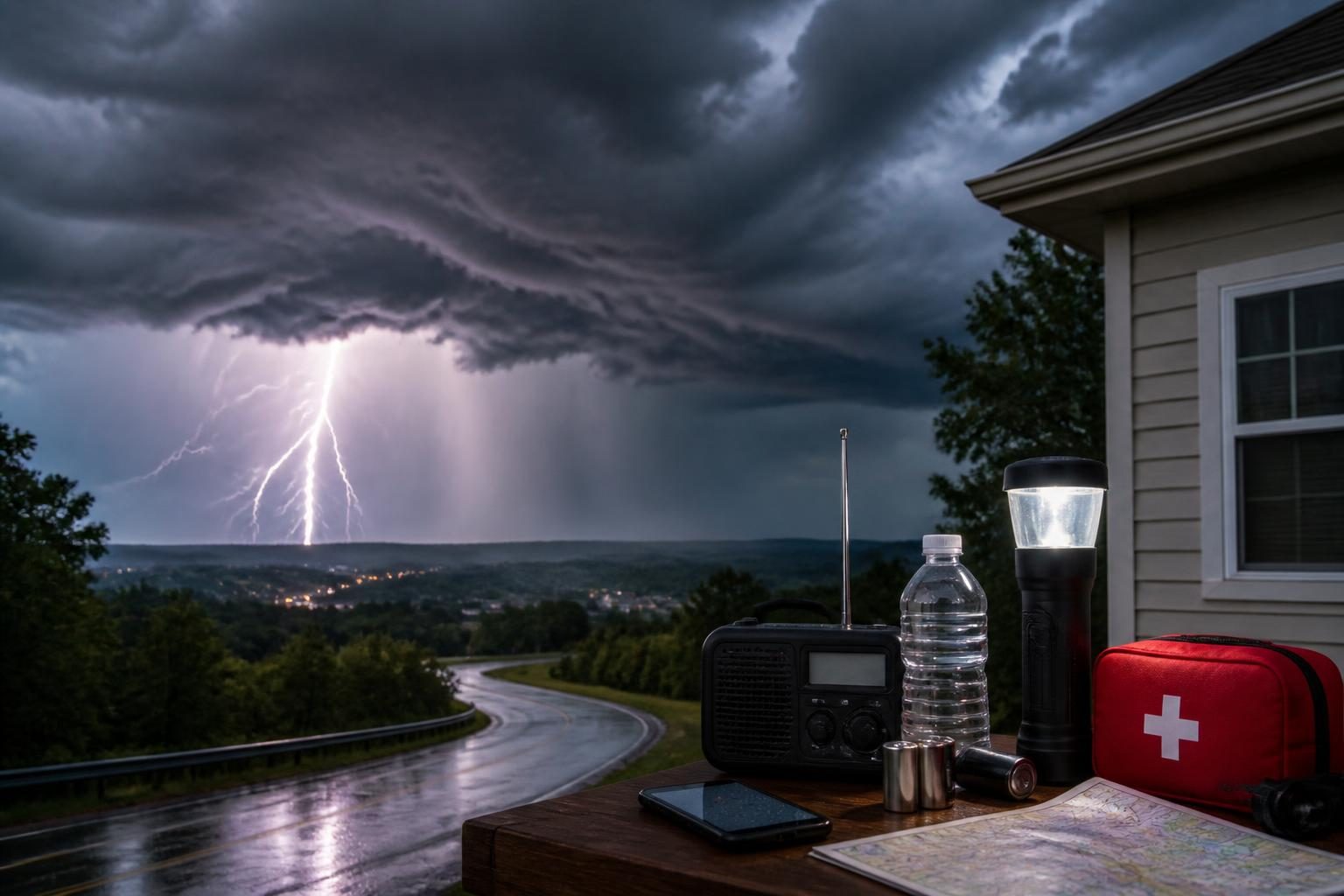
Weather alerts expire at specific times, but storms can remain dangerous after a tornado warning ends. Check the latest alert from the National Weather Service, local emergency management officials or a trusted local broadcaster. Wireless Emergency Alerts, NOAA Weather Radio and local alert systems can provide updates, but no single system should be treated as infallible.
The National Weather Service advises residents to check the date and time on warning maps and products. A weather page left open on a phone or computer may display an old warning unless it has refreshed. If officials issue a new warning, follow the new expiration time and location information.
Even after a tornado warning expires, severe thunderstorm warnings may remain in effect. Those alerts can involve damaging straight-line winds, large hail, intense lightning and heavy rain. A storm does not need to produce a tornado to create life-threatening conditions.
What happens after tornado warnings expire
After warnings end, officials typically shift from immediate sheltering to damage assessment, utility restoration and public safety. The National Weather Service may send survey teams to determine whether damage was caused by a tornado, straight-line winds or another hazard. Those surveys can change the preliminary number of tornadoes, ratings or path estimates.
Residents should avoid damaged buildings until they have been cleared as safe. Downed power lines should be treated as energized, even if they appear inactive. Stay away from debris, damaged gas lines and flooded roads, and report hazards to local authorities or the appropriate utility.
Power outages can create secondary risks. Food and medication may spoil, medical devices may lose power, and damaged electrical systems can increase the risk of fire or electrocution. Never use a generator, grill or fuel-burning appliance inside a home, garage or other enclosed space because of the danger of carbon monoxide poisoning.
People checking on neighbors should use caution around unstable structures and debris. Older adults, people with disabilities and those who rely on powered medical equipment may need additional assistance during a prolonged outage.
What is confirmed—and what remains uncertain
It is confirmed that the National Weather Service identified three tornadoes associated with the August 18 storms in southeastern Wisconsin. The agency’s ratings, estimated winds and path lengths were labeled preliminary, meaning they can be revised as additional information becomes available.
It is also confirmed that tornado watches and warnings associated with the Tuesday evening threat were canceled or expired by the conclusion of local live coverage. That status applied to the event covered by those reports; it should not be interpreted as a guarantee that no later severe weather alert will be issued in Wisconsin or elsewhere.
Damage totals, outage counts, repair timelines and any possible injuries may continue to change as local officials, utilities and emergency responders complete their assessments. Readers should use current National Weather Service alerts and local emergency information for decisions about immediate safety.
The practical takeaway
The Wisconsin trend is tied to a real severe-weather event, not merely a forecast discussion. Three tornadoes were confirmed after storms moved through southeastern Wisconsin on August 18, and local reports documented warnings, damage and outages.
For anyone under a current tornado warning, the priority is simple: shelter immediately in a sturdy building, move to a low interior space away from windows, protect your head and neck, and wait for an official all-clear or reliable updated information. For everyone else, keep alerts enabled, know your safest shelter before storms arrive and remember the distinction between a watch and a warning.