The Farmers’ Almanac’s winter forecast for 2026-27 is drawing renewed attention as Americans begin looking ahead to snow, ice, travel and heating costs. The Maine-based publication released its annual outlook in August, according to regional news reports, while the National Oceanic and Atmospheric Administration is also forecasting a strengthening El Niño pattern that could influence U.S. winter weather.
The two outlooks are not the same kind of forecast. The Farmers’ Almanac publishes a proprietary, long-range prediction organized by broad regions. NOAA’s Climate Prediction Center issues probability-based seasonal outlooks using observed conditions, statistical methods and computer models. Neither can identify the exact date, location or snowfall total of a storm months in advance.
Why the Farmers’ Almanac forecast is trending
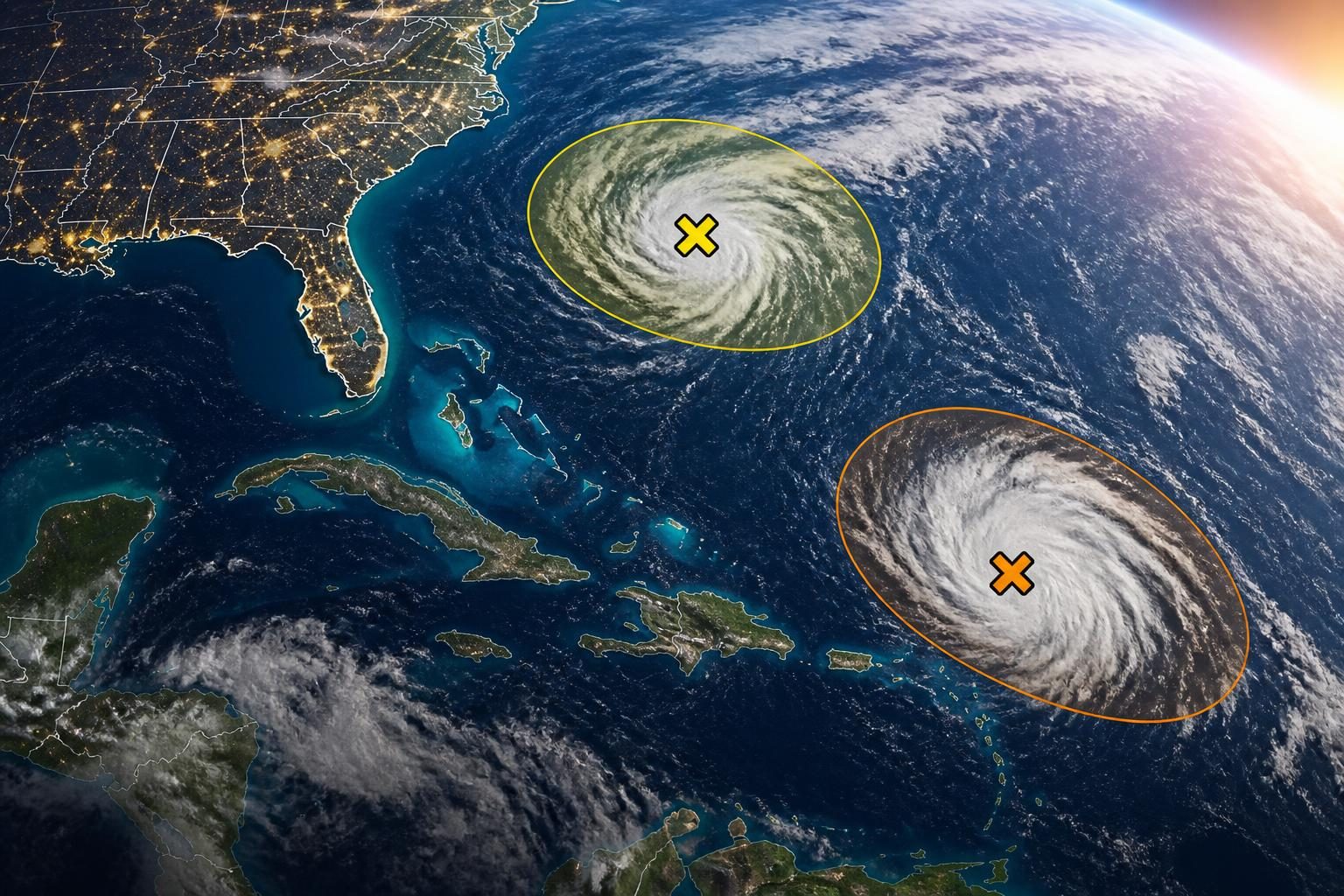
Seasonal almanac forecasts typically attract attention in late summer, when people start planning for the colder months. The interest is especially strong this year because the forecast comes as El Niño conditions are strengthening in the tropical Pacific Ocean.
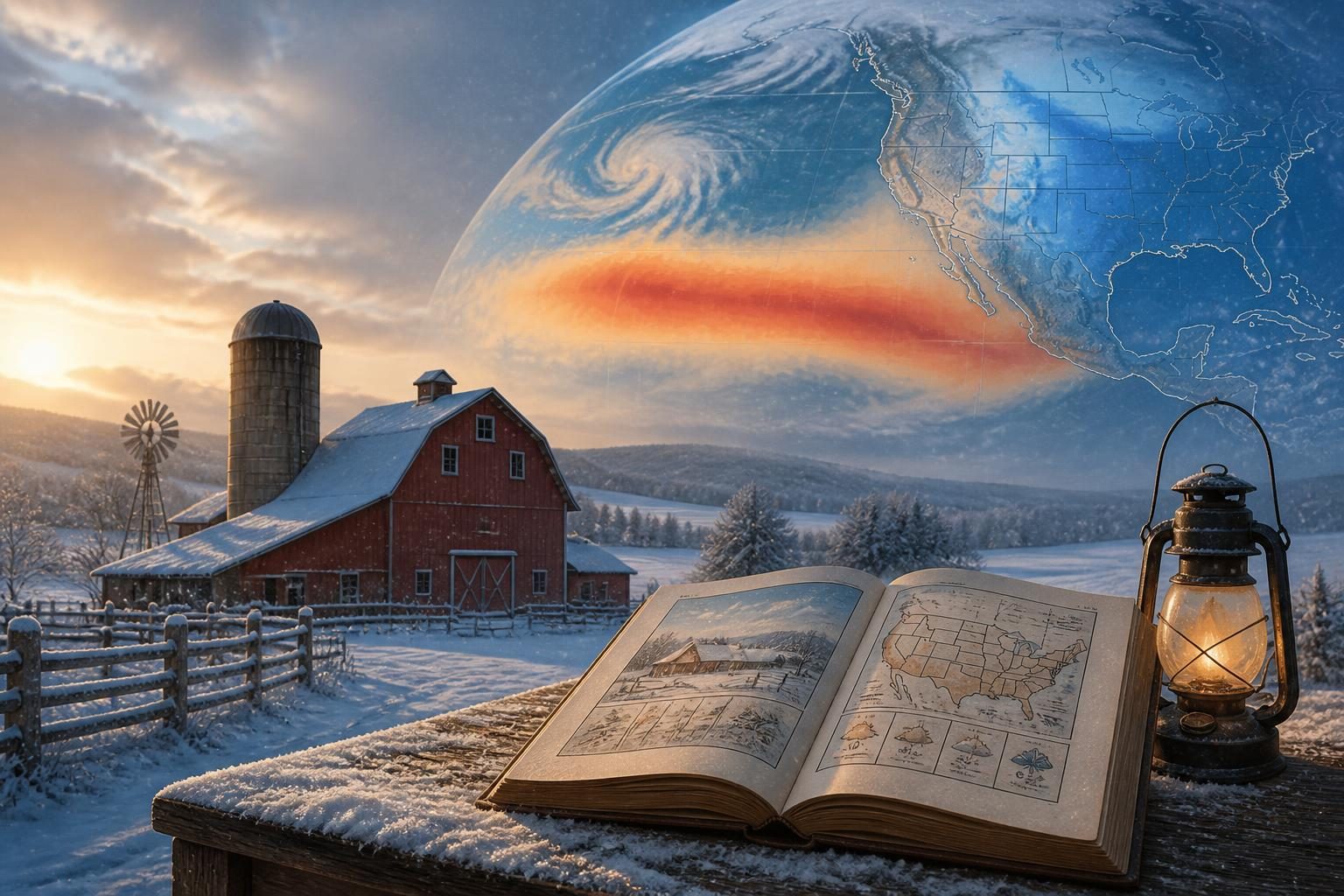
El Niño is a recurring climate pattern involving warmer-than-average ocean temperatures in the central and eastern tropical Pacific. It can shift the jet stream and alter the odds of wetter, drier, warmer or colder conditions in different parts of North America. Its effects vary by region, and El Niño does not guarantee a particular result for every city.
NOAA’s latest guidance says El Niño is expected to strengthen through the end of 2026 and persist into early spring 2027. NOAA also said there was a high probability of a very strong event during the October-through-December period. That gives professional forecasters a major climate signal to monitor as winter approaches.
The combination of an annual almanac release and a notable climate pattern helps explain the search interest. It does not mean that a specific snowstorm or cold wave has already been confirmed.
What the Farmers’ Almanac is forecasting
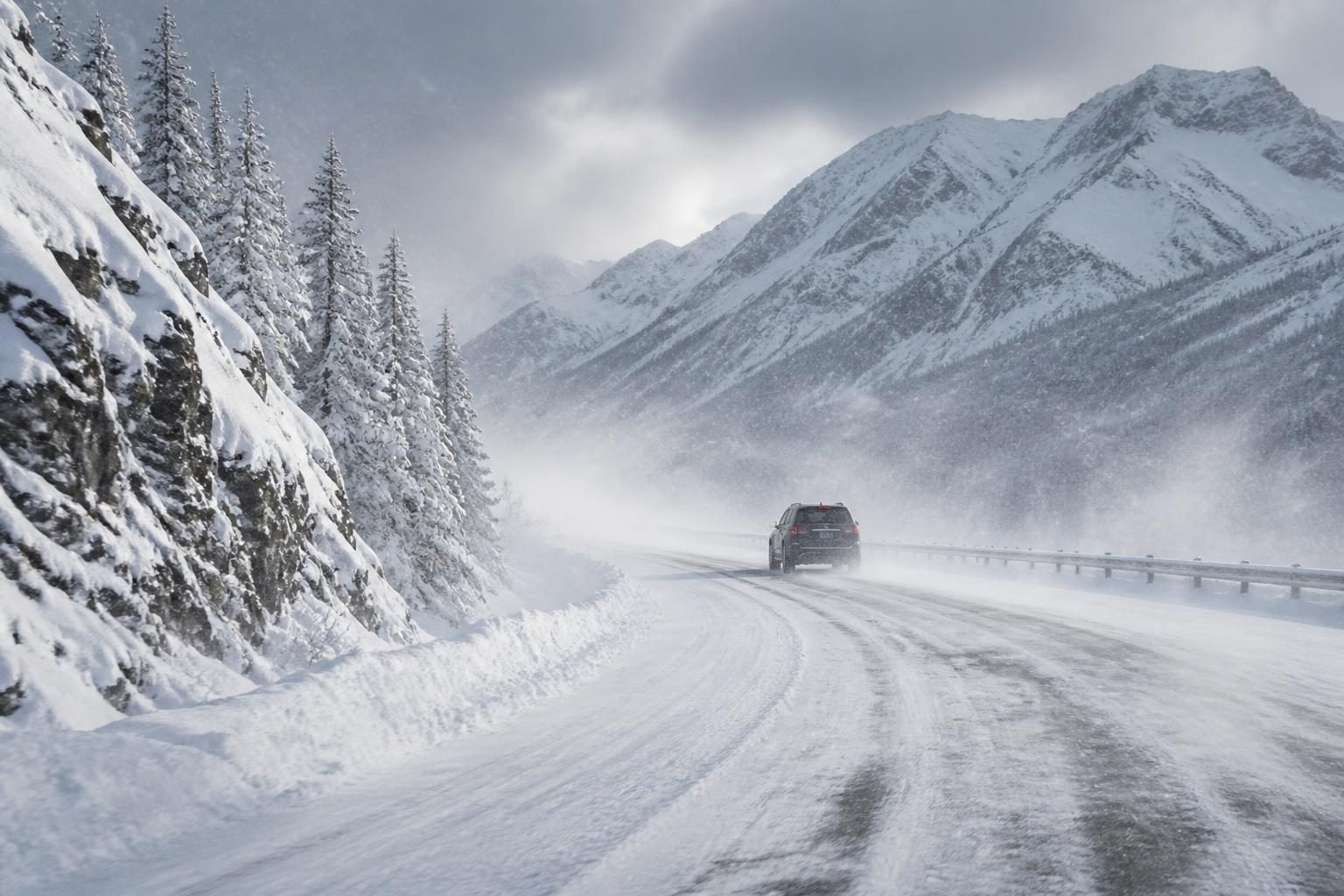
The Farmers’ Almanac’s 2026-27 outlook describes a regionally variable winter rather than one uniform pattern for the country. Reports on the forecast say the Northeast could face frequent changes between rain, sleet, freezing rain and snow, with inland areas at times seeing heavy, wet snow. Coastal areas may be more vulnerable to rain or mixed precipitation when temperatures hover near freezing.
That type of forecast is important because small temperature differences can change the hazards people experience. A storm tracking near the coast could produce rain in one community, wet snow farther inland and freezing rain in another. The publication itself has cautioned that such patterns can change quickly as storms draw closer.
The forecast is presented in broad zones, not as a town-by-town prediction. Readers should therefore avoid treating a regional phrase such as “snowy” or “cold” as a promise that their neighborhood will receive a particular amount of snow.
How it compares with NOAA’s outlook
NOAA’s Climate Prediction Center is also looking ahead to winter 2026-27, but its products are expressed as probabilities of seasonal conditions compared with a 30-year average. The center’s long-lead outlook points toward a more classic El Niño precipitation pattern as the season progresses.
- Southern tier: NOAA favors wetter-than-average conditions in parts of the South and Southeast during the core winter period.
- Northwest and portions of the northern tier: Below-average precipitation is favored in some areas, although the precise boundaries and strength of the signal may change.
- Temperatures: Above-average temperatures are favored in parts of the West and East, while El Niño can still produce periods of colder weather in the southern tier and elsewhere.
These broad tendencies do not conflict automatically with an almanac forecast that calls for occasional snow or cold snaps. A seasonal average can be warmer than normal even if a region experiences a few severe winter storms. Likewise, a wetter season does not mean that every week will be wet or snowy.
NOAA emphasizes that climate patterns tilt the odds; they do not determine every local outcome. Storm tracks, atmospheric pressure patterns, ocean temperatures and short-term changes in the jet stream will still shape individual events.
Farmers’ Almanac and Old Farmer’s Almanac are different publications
One source of confusion is the similarity between the names. Farmers’ Almanac, founded in 1818 and based in Maine, is the publication behind the forecast discussed in many recent reports. The Old Farmer’s Almanac, founded in 1792 and based in New Hampshire, is a separate publication.
The Old Farmer’s Almanac has also released its winter 2026-27 predictions in its 2027 edition and on its website. It says its long-range forecasts use a proprietary formula incorporating solar science, climatology, meteorology, historical weather patterns and current climate signals. The two publications may sometimes issue similar regional themes, but one should not be treated as the other.
How much confidence should readers place in an almanac forecast?
Almanac forecasts can be useful as broad seasonal entertainment or planning guidance, but their methods are not fully transparent. Farmers’ Almanac describes its formula as using factors including sunspot cycles, lunar position, tidal pull and historical patterns. The exact calculation is proprietary.
The Old Farmer’s Almanac likewise says its formula is secret and reports an average accuracy rate of about 80 percent. It defines that figure as correctly predicting the general direction of seasonal temperature or precipitation departures from normal—not accurately predicting every day, storm or location.
That distinction matters. A forecast can correctly identify that a season was generally wetter than average while missing the timing of major storms. It can also describe a cold regional pattern even if temperatures vary widely from one week to the next.
Independent weather agencies generally provide more useful guidance for decisions involving safety, travel, emergency planning and business operations. NOAA’s seasonal outlooks are designed to communicate probabilities and uncertainty, while National Weather Service forecasts become more specific as an event gets closer.
What the forecast means for households
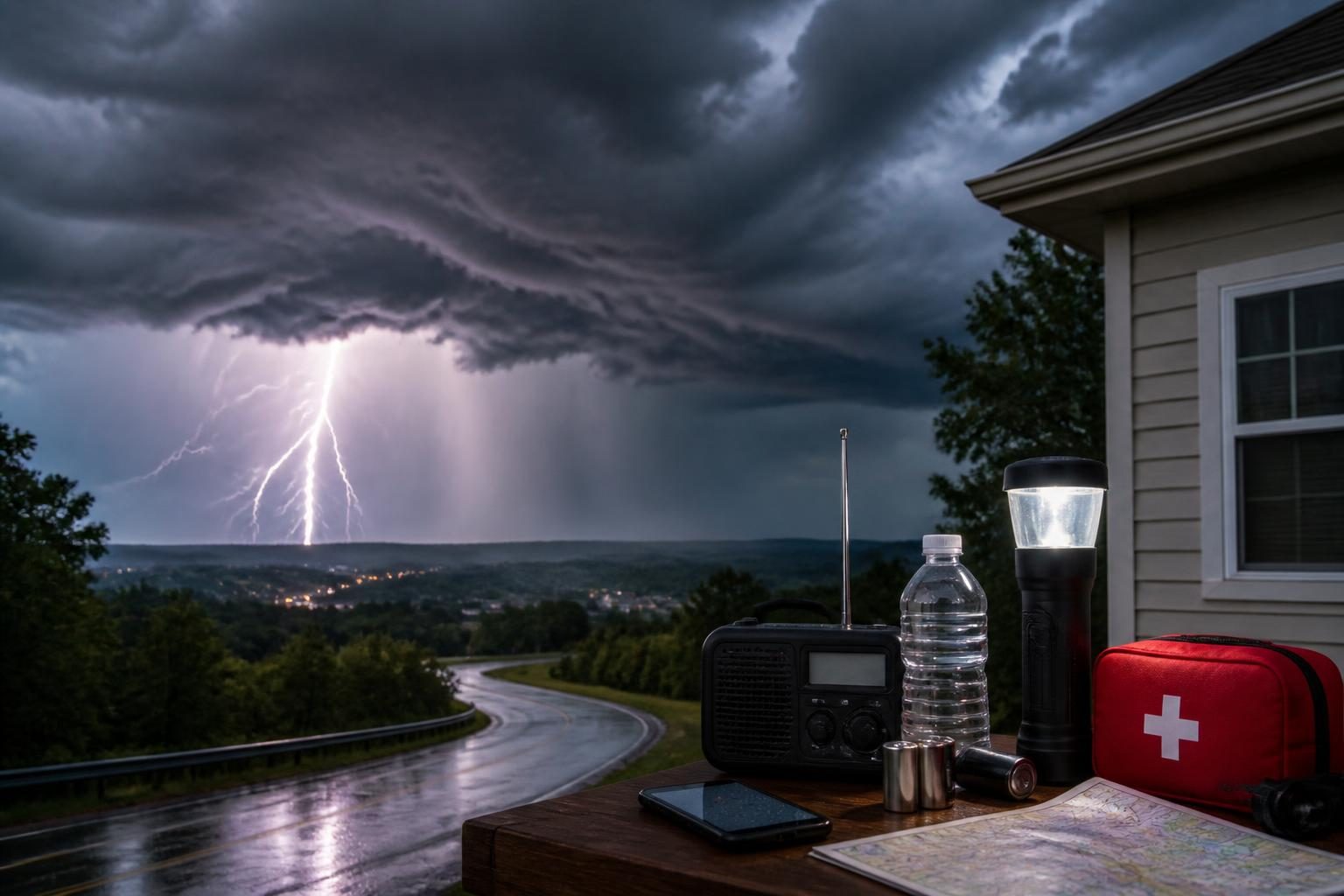
People can use the almanac outlook as a reminder to prepare for winter, but not as a substitute for an official forecast. Practical steps include:
- Have heating systems inspected before sustained cold arrives.
- Check smoke and carbon monoxide detectors and replace batteries as needed.
- Make sure vehicles have suitable tires, windshield fluid and emergency supplies.
- Protect outdoor pipes and know where the main water shutoff is located.
- Review plans for older adults, young children, people with disabilities and pets during power outages or extreme cold.
- Follow local National Weather Service alerts when a storm is within the forecast window.
Farmers and gardeners should be especially cautious about turning a seasonal forecast into an early planting or livestock decision. Short-term cold snaps can occur during an otherwise mild winter, and local conditions depend on elevation, soil moisture, snow cover and exposure.
What happens next
The most reliable information will come in stages. NOAA will update its seasonal outlooks as new ocean and atmospheric observations become available. Regional forecasts will become more informative in the weeks before winter, while detailed storm forecasts generally have the greatest value within several days of an event.
For now, the verified takeaway is limited but useful: The Farmers’ Almanac has issued a broad winter outlook for 2026-27, and NOAA is monitoring a strengthening El Niño that could affect the season’s large-scale pattern. Neither development establishes how much snow a particular town will receive or whether a specific holiday will be white.
Readers looking for actionable information should treat the almanac as a long-range perspective, then rely on updated forecasts from NOAA, the National Weather Service and local emergency officials as winter weather develops.