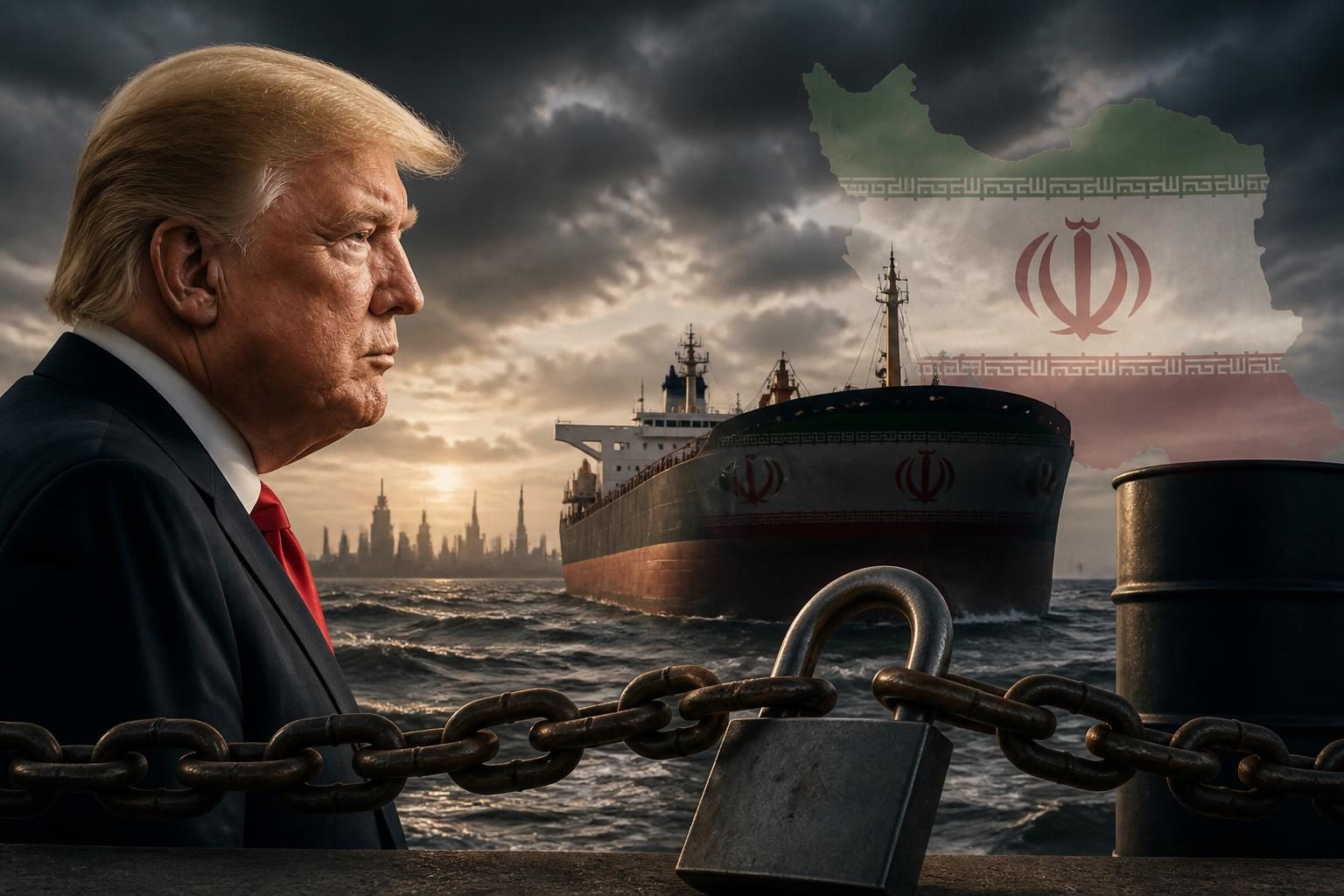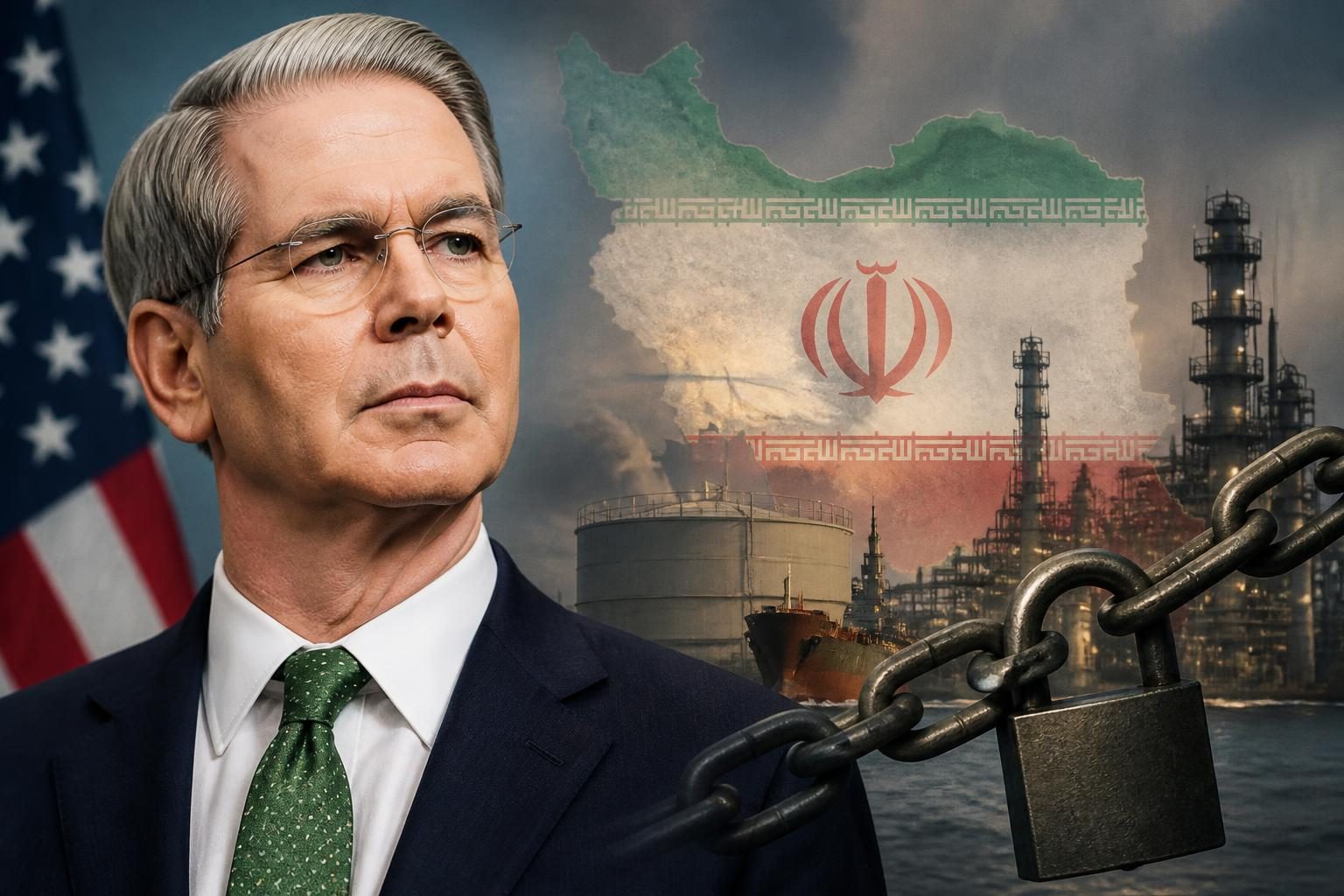
WASHINGTON — Iran sanctions are trending Monday after Treasury Secretary Scott Bessent announced a new round of U.S. financial measures and warned countries, companies and financial institutions that continue doing business with Tehran could face retaliation.
The administration has described the campaign as “economic D-Day,” but the practical details remain limited. Bessent said the goal is to block potential sources of revenue for Iran and tighten pressure on the networks that help the country sell oil, move money and conduct international trade. The Treasury announcement included dozens of designations, while officials did not identify every country that could face so-called secondary sanctions.
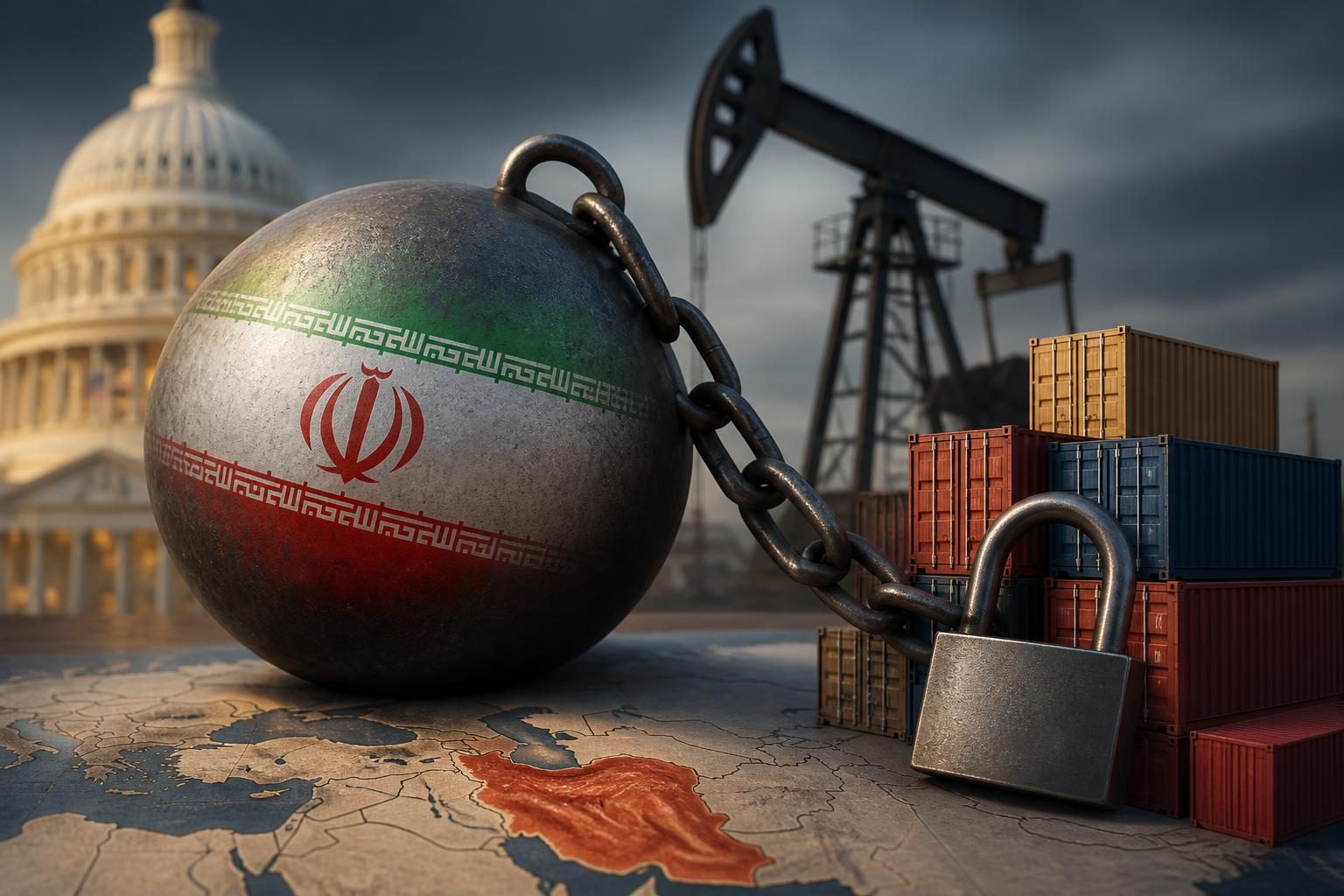
The story matters beyond Iran because the threatened measures could affect foreign banks, shipping companies, energy traders and governments that maintain commercial ties with Tehran. It also raises questions about how far the United States is prepared to go to enforce its sanctions policy against major trading partners.
What the United States announced
The Treasury Department’s Office of Foreign Assets Control, or OFAC, designated Iranian financial institutions, foreign exchange businesses, individuals, shell companies and other entities accused of helping Iran access oil revenue and move funds through international channels.
Among the entities identified in the administration’s sanctions campaign are Shahr Bank and Dubai-based exchange businesses including Titan Exchange and Alps International. Treasury has alleged that the firms helped Iranian exporters recover or transfer oil proceeds. The department also identified people and companies in several jurisdictions that it said helped route payments through intermediary accounts.
Separately, the United States sanctioned Basheer Abdulkadhim Alwan al-Shabbani, a former chief executive of Fly Baghdad, alleging that he supported the Islamic Revolutionary Guard Corps-Quds Force. The designation came after OFAC removed Fly Baghdad itself from the sanctions list earlier in August, according to reporting by CBS News.
The administration has framed the new measures as part of a broader effort called “Economic Fury.” Treasury has used that campaign to target Iran’s oil exports, shadow banking networks, cryptocurrency channels, shipping operations and procurement networks connected to military programs.
Why the threat of secondary sanctions is significant
Most U.S. sanctions directly prohibit American individuals and companies from conducting certain transactions with designated Iranian entities. Secondary sanctions are different: They can threaten non-U.S. companies, banks or other organizations with restrictions on access to the U.S. financial system if they conduct specified business with sanctioned parties.
That threat gives Washington influence over transactions that do not otherwise involve a U.S. company or a U.S. dollar payment. A foreign bank, for example, may decide that maintaining access to the American financial system is more valuable than processing business connected to Iran.
Bessent said the administration is seeking a “zero-leakage” approach, meaning it wants to close the remaining channels Iran uses to earn, transfer and repatriate foreign currency. He warned that countries and businesses providing what the administration considers an economic “lifeline” to Iran could face consequences.
However, the administration has not publicly spelled out a complete list of countries that will be targeted or precisely how the penalties will be applied. That uncertainty is important. A warning that any country doing business with Iran could face action does not automatically mean that every transaction or trading partner will be sanctioned.
How Iran has continued trading despite sanctions
The United States has maintained extensive sanctions on Iran for decades. The current framework covers much of Iran’s financial sector and major parts of its energy, shipping and industrial economies.
Iran has nevertheless continued to export oil and conduct international commerce through a combination of intermediaries, front companies, informal payment systems and vessels that obscure ownership or cargo origins. Treasury has repeatedly accused networks based in countries including China, the United Arab Emirates, Hong Kong and elsewhere of helping Iranian entities sell petroleum or move proceeds.
Iran’s oil industry is central to the dispute. Hydrocarbon exports provide a major source of foreign currency and government revenue. U.S. officials argue that proceeds from oil sales help finance the Iranian government, military organizations and regional proxy groups. Iranian officials and critics of broad sanctions counter that restrictions also damage ordinary people by contributing to inflation, currency weakness and shortages, even when humanitarian goods are formally exempt.
The Treasury Department says its sanctions are aimed at the Iranian regime and illicit networks rather than the Iranian population. U.S. sanctions rules generally contain authorizations or exceptions for food, medicine, agricultural goods and medical devices. In practice, humanitarian groups and businesses have said that banking restrictions, compliance costs and fear of penalties can still complicate legitimate trade.
Why the issue is trending now
Monday’s announcement follows several weeks of escalating pressure. President Donald Trump warned last week that countries, banks, businesses, airports and government entities that provide support to Iran could face “tremendous” economic consequences. Bessent then previewed a new sanctions package and said the administration would broaden its focus beyond Iranian targets to foreign entities and countries that continue commercial relationships with Tehran.
The timing also follows a decision by the United Arab Emirates to suspend trade, commercial exchanges and financial transactions with Iran until further notice, according to The Associated Press. The UAE has long been an important commercial gateway for Iranian businesses, making the move especially consequential if it remains in place.
China, Turkey and the UAE have been identified in news reports as among Iran’s important trade partners, although the scale and nature of those relationships vary. Bessent did not name which countries would face secondary sanctions, and the administration’s public statements do not establish that any one of those countries has been formally targeted by Monday’s announcement.
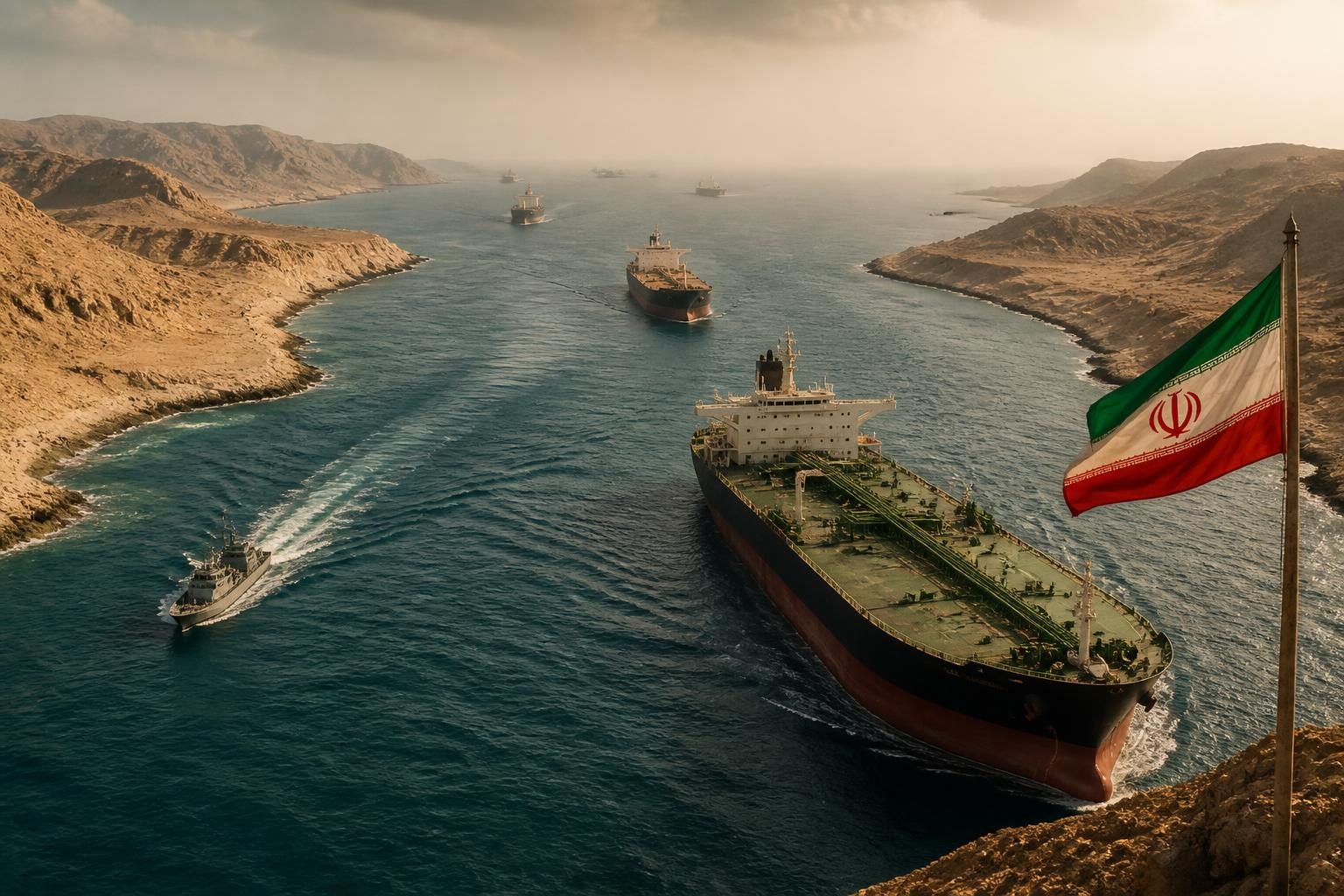
The sanctions also arrive amid broader tensions involving Iran, Gulf shipping routes and regional security. Those developments have increased attention on whether economic pressure is intended to replace, support or supplement other U.S. tools, including diplomatic and military measures. The administration’s stated aim is to force Tehran to change its behavior, but it has not demonstrated that the latest package will achieve that result.
What the sanctions could mean for companies
For companies, the immediate effect depends on whether they own, control, finance or transact with a designated person or entity. Assets under U.S. jurisdiction are generally blocked when a person or organization is placed on OFAC’s Specially Designated Nationals and Blocked Persons list. U.S. persons are generally prohibited from dealing with blocked property unless OFAC authorizes the transaction.
Foreign companies may face additional risks if they provide significant support to designated Iranian banks, oil companies, shipping firms or other sanctioned actors. Banks and multinational businesses typically respond by reviewing customers, cargoes, payment routes, ownership structures and insurance arrangements. Even when a transaction might technically be permitted, companies may avoid it because of compliance costs or the possibility of future enforcement.
Shipping and energy markets are particularly exposed. Sanctions can make it harder to insure tankers, charter vessels, finance cargoes and clear payments. Traders may seek alternative suppliers or routes, while refiners that rely on Iranian crude may face pressure to demonstrate that their purchases do not violate U.S. rules.
The effects on U.S. consumers are less direct but could appear through energy prices, shipping costs or financial-market volatility if enforcement significantly reduces Iranian exports or raises risks around Gulf trade routes. It is too early to determine whether Monday’s actions will produce a measurable change in global oil prices.
What happens next
The next steps will likely involve more detailed OFAC listings, compliance guidance, license decisions and enforcement actions. The administration may also seek commitments from foreign governments and companies to reduce or end dealings with Iran.
Several questions remain unanswered:
- Which countries will be targeted? Officials have warned broadly about foreign support but have not published a complete list of governments or jurisdictions facing penalties.
- What transactions will trigger action? The consequences may depend on the type of trade, the parties involved, the amount of support and the applicable sanctions authority.
- How will major trading partners respond? China and other countries may reject U.S. demands or seek exemptions, potentially creating diplomatic and legal disputes.
- Will Iran change its behavior? The administration says economic pressure is intended to reduce Iran’s ability to fund military and regional activities. Whether that produces negotiations, retaliation or continued sanctions evasion remains uncertain.
For people following the story, the most reliable indicators will be official OFAC notices, Treasury guidance, statements from affected governments and evidence of changes in oil exports, banking access or shipping activity. Headlines describing an “economic D-Day” capture the administration’s rhetoric, but the consequences will depend on the specific legal measures and how consistently they are enforced.
The bottom line
The Iran sanctions story is trending because the United States has moved from targeting individual Iranian networks toward threatening a wider group of foreign businesses and governments that keep commercial ties with Tehran. The new measures expand an already extensive sanctions program, but the administration has not yet publicly resolved the most important questions about scope, exemptions and enforcement.
For now, the confirmed development is a new round of designations and a sharper warning to Iran’s remaining financial and trading partners. The broader economic and diplomatic impact will become clearer as Treasury publishes additional details and foreign governments decide whether to comply, negotiate or resist.