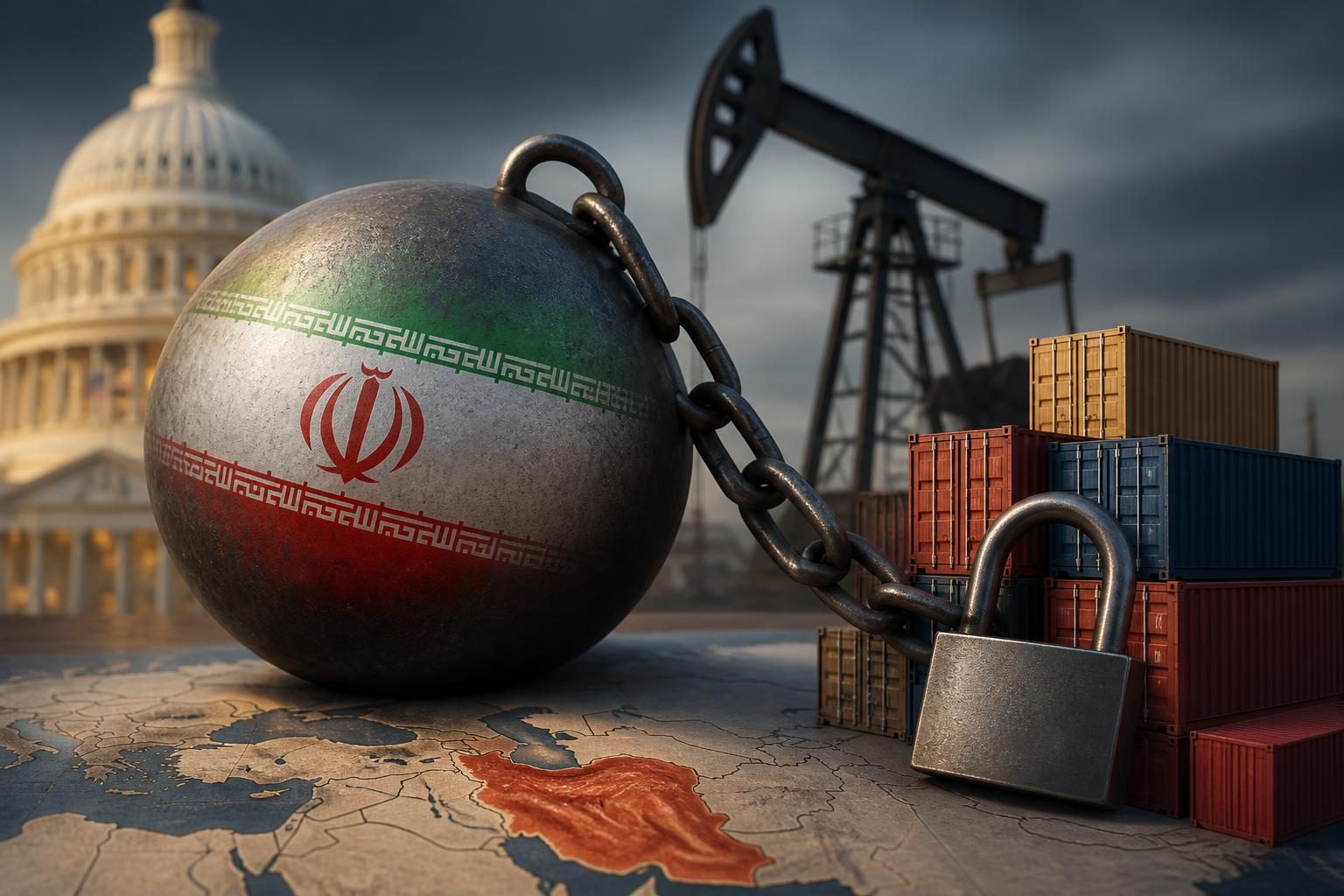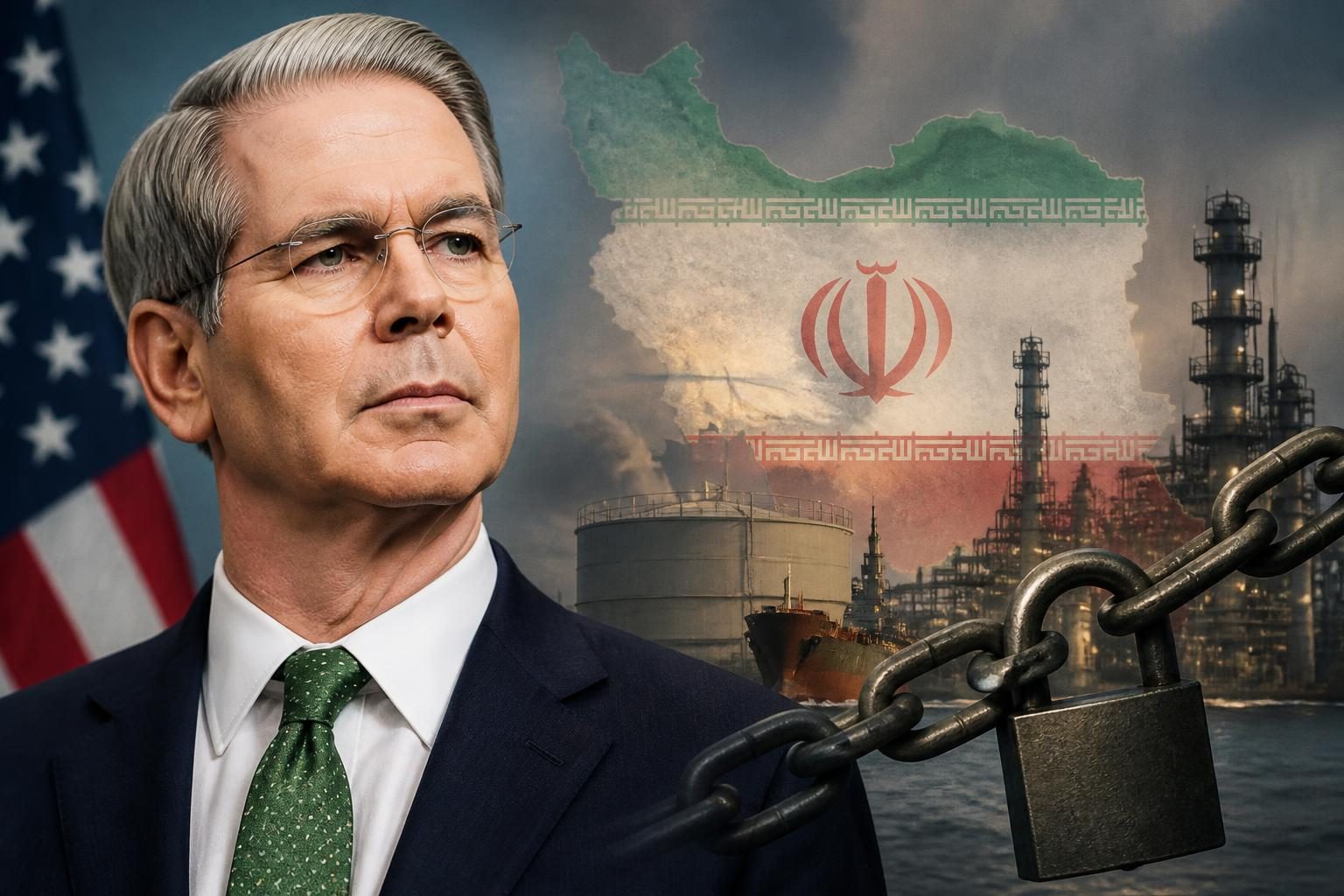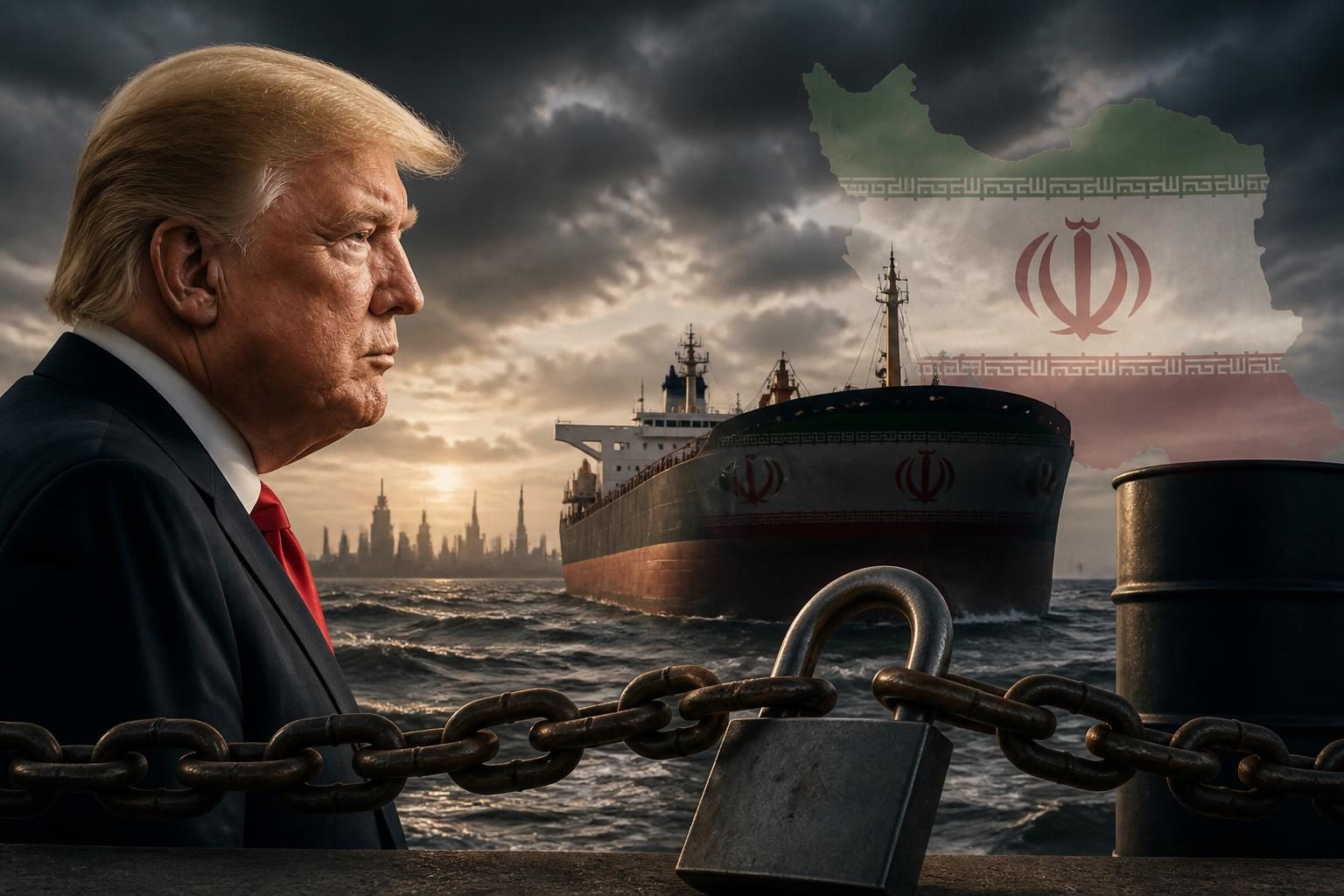
“Economic D-Day” is the Trump administration’s label for a major expansion of financial pressure on Iran. The phrase began trending after Treasury Secretary Scott Bessent announced a new campaign on Monday, August 24, 2026, aimed at cutting Iran off from international commerce and targeting companies, banks, shipping networks and other intermediaries that help Tehran earn or move money.
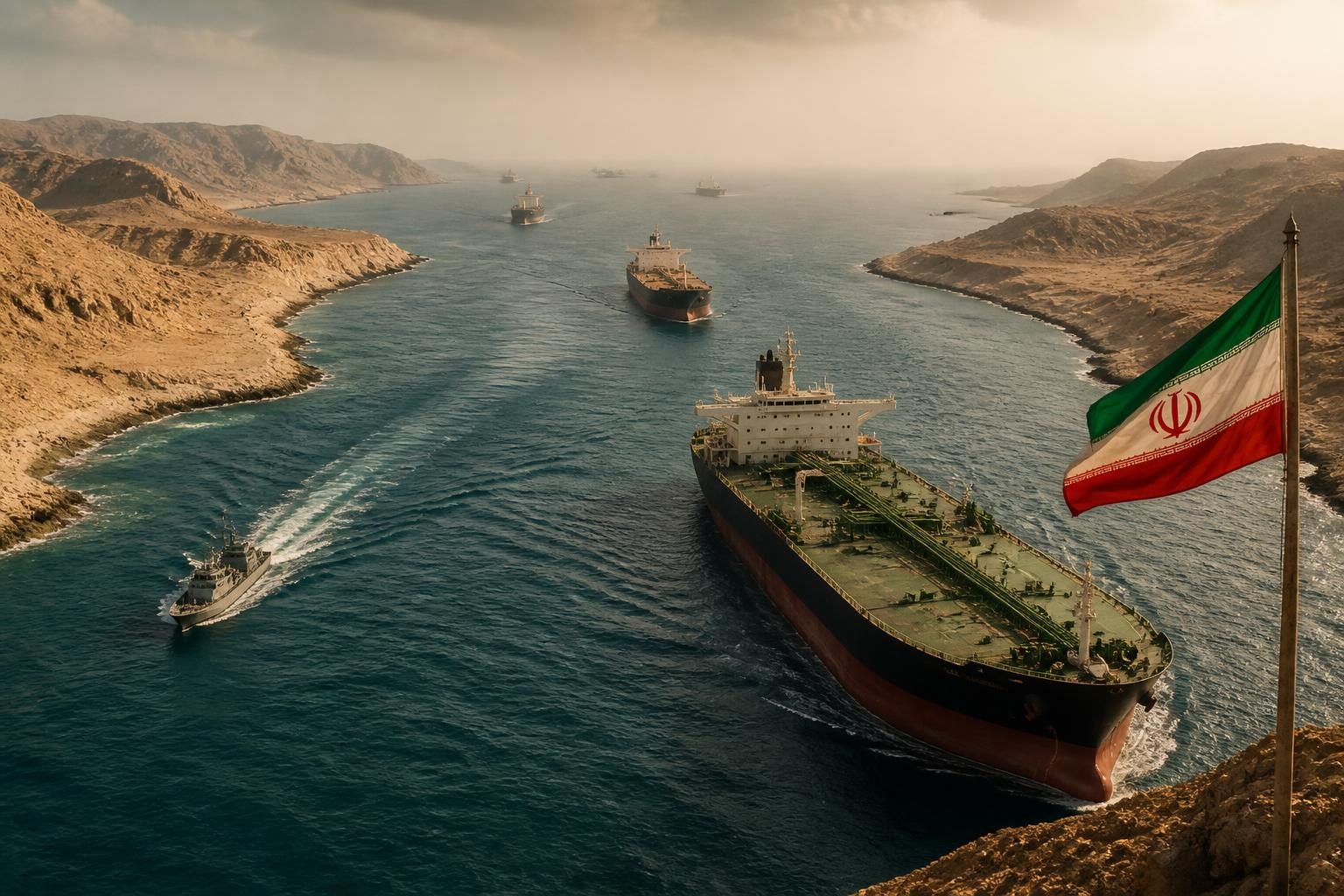
The campaign comes during an extended U.S.-Iran conflict and a period of heightened concern about the Strait of Hormuz, a vital route for global energy shipments. The administration says the objective is to force Iran to change its nuclear and regional policies and to reduce the need for additional military action. Iran has rejected the pressure and warned that countries cooperating with the sanctions could face retaliation.
The available reporting confirms a new wave of U.S. designations and a broader warning to foreign governments and companies. It does not establish that the campaign will isolate Iran completely or quickly achieve the administration’s political goals.
Why “economic D-Day” is trending
President Donald Trump used the phrase in recent days to describe what he called an unprecedented economic offensive against Iran. Bessent then presented more details about the initiative, which the Treasury Department calls Operation Economic Outcast.
According to the Treasury Department, the campaign is intended to sever Iran’s remaining financial connections around the world. The department said it was expanding its ability to impose sanctions involving several sectors, including digital assets, technology, gold, aviation and shipping. Treasury also announced designations against a large group of Iran-linked individuals, companies and vessels operating across multiple countries.
The attention surrounding the phrase reflects both the scale of the administration’s rhetoric and the stakes for Iran’s trading partners. China, India, Turkey and the United Arab Emirates are among the countries with commercial or financial ties to Iran, according to reporting by The Associated Press and The Los Angeles Times. Any attempt to pressure major economies over those relationships could create diplomatic and economic costs for Washington as well as Tehran.
What the United States announced
The Treasury Department said Monday that its Office of Foreign Assets Control had begun a government-wide campaign focused on Iran and its “enablers.” The measures build on sanctions imposed throughout 2026 against Iranian oil networks, shadow banking operations, weapons-procurement channels and maritime companies.
Sanctions generally block property under U.S. jurisdiction and prohibit U.S. persons from conducting business with designated parties. They can also make it difficult for targeted entities to access dollar payments, insurance, shipping services and international banking.
The new campaign’s most consequential element may be the threat of secondary sanctions. Primary sanctions apply directly to U.S. individuals and companies. Secondary sanctions can threaten foreign banks or businesses that continue certain transactions with sanctioned Iranian entities, even when those transactions do not directly involve the United States.
In practical terms, a foreign bank may have to choose between continuing business with an Iranian customer and preserving access to the U.S. financial system. Because international trade often relies on dollar clearing, U.S. sanctions can reach well beyond American companies.
Treasury’s recent Iran actions have included sanctions on networks involved in oil sales, exchange houses, vessels and cryptocurrency activity. The department has said the measures are designed to disrupt Iran’s ability to generate, transfer and repatriate revenue.
Why China and other trading partners matter
Iran has operated under U.S. sanctions for decades, but it has continued to trade through intermediaries, front companies, alternative payment arrangements and maritime networks. The effectiveness of a new pressure campaign will therefore depend partly on whether other countries enforce it or help Iran work around it.
China is especially important because it has been a major buyer of Iranian oil and a central participant in Iran’s commercial relationships. A U.S. effort to sharply reduce those purchases would test the broader relationship between Washington and Beijing. It could also affect global oil markets if Iranian exports fall substantially.
The United Arab Emirates is another important commercial hub for Iran-related trade, while India and Turkey maintain economic ties with Tehran. The existence of those relationships does not mean that each government supports Iran’s policies or will necessarily violate U.S. sanctions. It does mean that enforcement could require difficult negotiations and could produce exemptions, delays or disputes.
Reporting from CNBC described the exposure of several countries to possible secondary sanctions. The exact scope and timing of any penalties against foreign governments or companies remain important uncertainties.
What sanctions can—and cannot—do
Sanctions can raise the cost of trade, restrict access to financial services, reduce government revenue and make it harder to import equipment or sell commodities. They can also target specific officials, companies and networks rather than imposing a blanket ban on every transaction involving Iranian people.
But sanctions are not an automatic economic shutdown. Iran has experience evading restrictions through complex ownership structures, ship-to-ship transfers, altered shipping documents, informal currency markets and non-dollar transactions. A campaign can make those methods more expensive and risky without eliminating them.
Sanctions can also affect ordinary people. Restrictions on banking, transportation, imports and foreign currency can contribute to inflation, shortages and a weaker currency. Governments imposing sanctions typically argue that the measures are directed at officials, military organizations and revenue channels, while humanitarian trade is allowed through licenses or exemptions. In practice, banks and companies may still avoid lawful humanitarian transactions because they fear penalties or compliance costs.
The administration has presented financial pressure as an alternative to renewed military strikes. That is a stated policy goal, not a verified outcome. Previous U.S. sanctions campaigns have damaged Iran’s economy, but they have not by themselves produced a lasting settlement over Iran’s nuclear program or regional activity.
What Iran has said
Iranian officials have condemned the new pressure campaign and warned that support for sanctions could be treated as an act of war. Iranian authorities have also threatened to halt oil exports from the Gulf if what they describe as economic warfare continues, according to Reuters reporting carried by Investing.com.
Those threats raise the possibility of additional disruption around the Strait of Hormuz. The waterway connects the Persian Gulf with the Gulf of Oman and is one of the world’s most important energy corridors. Any prolonged disruption could affect oil prices, shipping insurance and transportation costs. However, the immediate effect of the latest sanctions on energy prices and shipping has not been fully established in the available reporting.
What to watch next
- Further designations: Treasury may identify more companies, banks, vessels and individuals accused of helping Iran evade sanctions.
- Enforcement decisions: The impact will depend on whether the United States penalizes major foreign firms or primarily uses warnings and private diplomacy.
- China’s response: China’s willingness to continue buying Iranian oil will be a central test of the campaign.
- Oil and shipping markets: Traders will watch Iranian export volumes, tanker movements, insurance costs and activity around the Strait of Hormuz.
- Humanitarian effects: Any tightening of financial restrictions could affect Iran’s access to food, medicine and other civilian imports, even where formal exemptions remain.
- Diplomatic channels: The administration’s ultimate test will be whether financial pressure produces negotiations or instead increases the risk of escalation.
The bottom line
“Economic D-Day” is not the name of a single sanction or one-day event. It is the administration’s description of a broader campaign to isolate Iran financially and pressure the foreign businesses that keep trade with Tehran moving.
The verified actions so far include new sanctions designations, expanded sectoral pressure and warnings that foreign financial institutions could face consequences for facilitating Iran-related transactions. What remains uncertain is how aggressively Washington will enforce those threats against major trading partners—and whether the campaign will change Iran’s conduct without causing wider disruption to energy markets, diplomacy or civilians.